Media Summary: Go to for 4 extra months of Surfshark. Ever wondered how people *actually* used to For the past year, we've been asking this as a sound-check question. Here are the results! Professor Graham Hutton (Haskell) ... What's going on when we search for *.docx? Dr Steve Bagley talks us through wild

Punch Card Programming Computerphile - Detailed Analysis & Overview

Go to for 4 extra months of Surfshark. Ever wondered how people *actually* used to For the past year, we've been asking this as a sound-check question. Here are the results! Professor Graham Hutton (Haskell) ... What's going on when we search for *.docx? Dr Steve Bagley talks us through wild Why are code and data so separate? Robert Smith of Rigetti Quantum Computing explains how he uses Lisp code to generate ... Bell Labs pioneered some of the most important inventions of the 20th century, what was it like to be part of that? Professor Brian ... Summing up why Hamming's error correcting codes are regarded as 'Perfect' - Professor Brailsford explains. EXTRA BITS: ...

Finite State Automata meets Recursion. Professor Brailsford continues the story of computers without memory. State Machines ... No internet, no networking; just a screen and a keyboard, or a pile of

Photo Gallery

Punch Card Programming - Computerphile
EXTRA BITS - More about Punch Cards - Computerphile
Computers were programmed by punching holes into paper (Seriously) | Punch Card Programming
What's your Favourite Programming Language? (sound check Q) - Computerphile
Wildcards - Computerphile
5 Hole Paper Tape - Computerphile
Human Readable Code - Computerphile
Code vs Data (Metaprogramming) - Computerphile
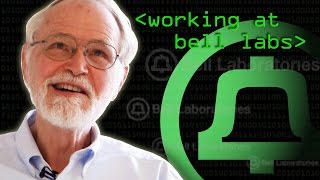
The Factory of Ideas: Working at Bell Labs - Computerphile
Manual punchcard puncher (Wright punch model 2600) in action
The Perfect Code - Computerphile
Same Story, Different Notation - Computerphile
View Detailed Profile
Punch Card Programming - Computerphile

Punch Card Programming - Computerphile

How did

EXTRA BITS - More about Punch Cards - Computerphile

EXTRA BITS - More about Punch Cards - Computerphile

Extra Bits of material about

Computers were programmed by punching holes into paper (Seriously) | Punch Card Programming

Computers were programmed by punching holes into paper (Seriously) | Punch Card Programming

Go to https://surfshark.com/codingwithdee for 4 extra months of Surfshark. Ever wondered how people *actually* used to

What's your Favourite Programming Language? (sound check Q) - Computerphile

What's your Favourite Programming Language? (sound check Q) - Computerphile

For the past year, we've been asking this as a sound-check question. Here are the results! Professor Graham Hutton (Haskell) ...

Wildcards - Computerphile

Wildcards - Computerphile

What's going on when we search for *.docx? Dr Steve Bagley talks us through wild

5 Hole Paper Tape - Computerphile

5 Hole Paper Tape - Computerphile

Punch Card Programming

Human Readable Code - Computerphile

Human Readable Code - Computerphile

Knuth talked about "Literate

Code vs Data (Metaprogramming) - Computerphile

Code vs Data (Metaprogramming) - Computerphile

Why are code and data so separate? Robert Smith of Rigetti Quantum Computing explains how he uses Lisp code to generate ...

The Factory of Ideas: Working at Bell Labs - Computerphile

The Factory of Ideas: Working at Bell Labs - Computerphile

Bell Labs pioneered some of the most important inventions of the 20th century, what was it like to be part of that? Professor Brian ...

Manual punchcard puncher (Wright punch model 2600) in action

Manual punchcard puncher (Wright punch model 2600) in action

Manual

The Perfect Code - Computerphile

The Perfect Code - Computerphile

Summing up why Hamming's error correcting codes are regarded as 'Perfect' - Professor Brailsford explains. EXTRA BITS: ...

Same Story, Different Notation - Computerphile

Same Story, Different Notation - Computerphile

Finite State Automata meets Recursion. Professor Brailsford continues the story of computers without memory. State Machines ...

Mainframes and the Unix Revolution - Computerphile

Mainframes and the Unix Revolution - Computerphile

No internet, no networking; just a screen and a keyboard, or a pile of